Narcissism And Infidelity often overlap when validation, control, entitlement, and the need for admiration matter more than honesty or emotional safety. In relationships shaped by narcissistic traits, cheating is rarely just a one-time mistake; it can become a repeating pattern of secrecy, manipulation, and betrayal that erodes trust and keeps partners trapped in uncertainty.
This article explores why narcissistic behaviour can drive recurring infidelity, how these patterns affect commitment and emotional well-being, and what signs may point to a cycle of deception. It also examines why breaking free can be so difficult once betrayal becomes part of the relationship dynamic.
Table of Contents
- The Cycle of Deceit: How Narcissistic Traits Fuel Patterns of Cheating
- Understanding Narcissism and Infidelity: The Psychological Connection
- Identifying Narcissistic Traits in Relationships
- The Impact of Narcissism on Trust and Commitment
- Patterns of Cheating: How Narcissism and Infidelity Intersect
- Breaking the Cycle: Addressing Narcissism to Combat Infidelity
- Conclusion
- How does narcissism contribute to infidelity?
- What are the common traits of narcissists that lead to cheating?
- Can narcissistic individuals maintain long-term relationships?
- How can partners of narcissists cope with infidelity?
- Is there a way to rehabilitate a narcissistic partner?
 The Cycle of Deceit: How Narcissistic Traits Fuel Patterns of Cheating
Exploring Narcissism and Infidelity: Unraveling the Cycle of Deceit in Relationships
In exploring the intricate relationship between narcissism and infidelity, it becomes evident that individuals exhibiting narcissistic traits often engage in patterns of deceit that can profoundly impact their relationships. This article delves into the cycle of deceit fostered by narcissistic behaviours, shedding light on how these traits contribute to infidelity. By understanding the psychological mechanisms at play, we can better comprehend the dynamics of trust and betrayal in romantic partnerships, offering insights for those affected by such patterns.
The Cycle of Deceit: How Narcissistic Traits Fuel Patterns of Cheating
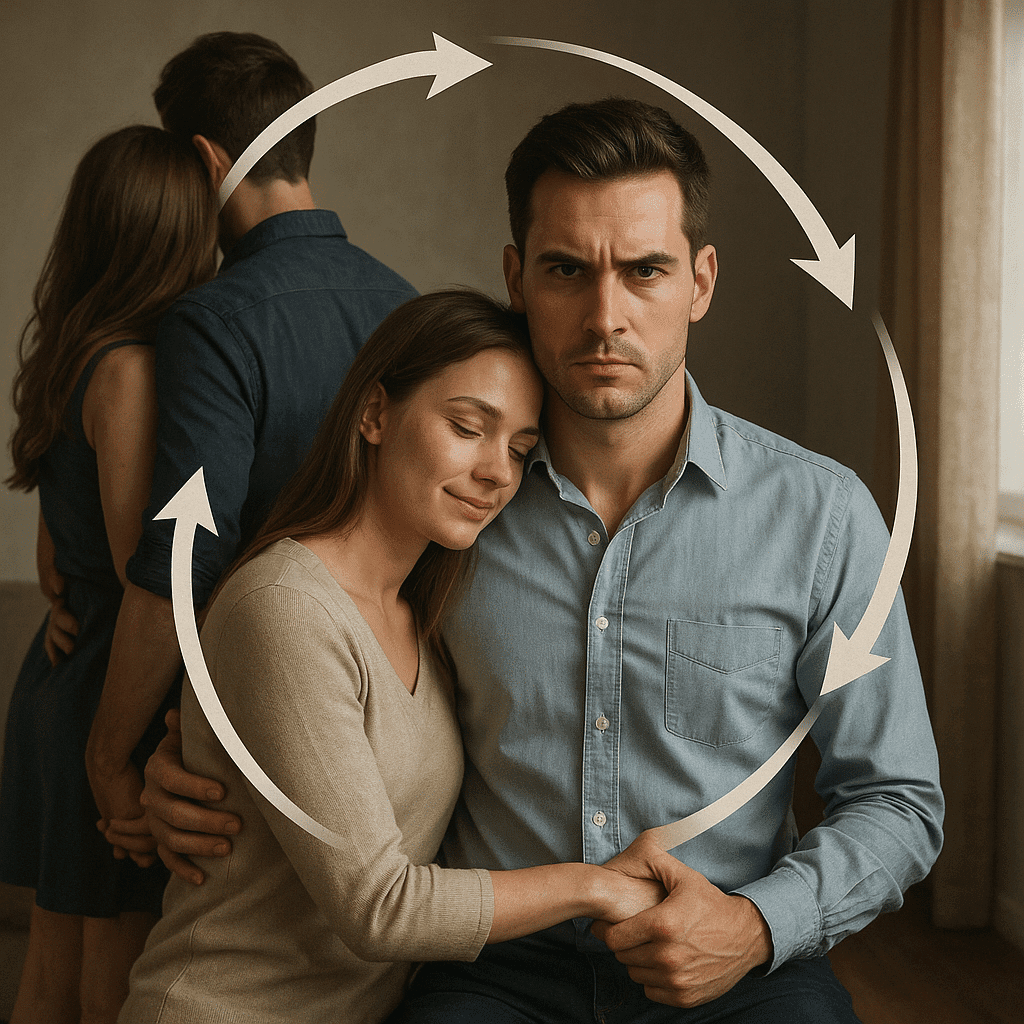
Narcissism creates a unique cycle of deceit that is particularly damaging in romantic relationships. Individuals with narcissistic traits often prioritise their own needs and desires above those of their partners. This self-centred approach leads to a disregard for the emotional well-being of others, creating an environment ripe for infidelity.
Cheating becomes a means to fulfil their insatiable need for validation and admiration. The cycle perpetuates itself as each act of deceit reinforces their belief that they are above the moral implications of their actions. This pattern not only harms their partners but also deepens the narcissist’s sense of entitlement.
Understanding Narcissism and Infidelity: The Psychological Connection
The psychological connection between narcissism and infidelity is complex and multifaceted. Narcissists often possess an inflated sense of self-worth, which can lead them to believe they are entitled to seek gratification outside their primary relationship. This belief is rooted in a deep-seated need for admiration and validation.
Research indicates that narcissists may struggle with empathy, making it difficult for them to recognise or care about the pain they inflict on their partners. This lack of emotional connection further fuels their propensity for infidelity, as they fail to consider the consequences of their actions on others.
Identifying Narcissistic Traits in Relationships
Recognising narcissistic traits in a partner can be challenging but is crucial for understanding relationship dynamics. Common indicators include a constant need for admiration, a lack of empathy, and an exaggerated sense of self-importance. These traits often manifest in behaviours such as belittling others or displaying arrogance.
Additionally, narcissists may engage in manipulative tactics to maintain control over their partners, creating an unhealthy power dynamic. Being aware of these signs can help individuals make informed decisions about their relationships and seek support if necessary.
The Impact of Narcissism on Trust and Commitment
Narcissism significantly undermines trust and commitment within relationships. The self-serving nature of narcissistic individuals often leads to broken promises and betrayal, eroding the foundation of trust that is essential for any healthy partnership.
As trust diminishes, partners may find themselves questioning the sincerity of their relationship. This uncertainty can create a toxic cycle where both parties feel insecure, leading to further conflict and potential infidelity as a misguided attempt to regain control or validation.
Patterns of Cheating: How Narcissism and Infidelity Intersect
The intersection of narcissism and infidelity reveals distinct patterns that are often predictable. Narcissists may engage in serial cheating, seeking new partners to satisfy their cravings for admiration and excitement. This behaviour stems from a constant need for novelty and validation, making them more likely to stray from committed relationships.
Moreover, the thrill associated with cheating can provide a temporary boost to their self-esteem, reinforcing the cycle of deceit. Understanding these patterns can aid individuals in recognising harmful behaviours in their relationships and taking steps to address them.
Breaking the Cycle: Addressing Narcissism to Combat Infidelity
Addressing narcissism is crucial for breaking the cycle of infidelity. Therapeutic interventions can help individuals recognise and modify their behaviours, fostering healthier relationship dynamics. Encouraging open communication and empathy can lead to greater understanding between partners.
Additionally, cultivating self-awareness is essential for those exhibiting narcissistic traits. By acknowledging their impact on others, they can begin to develop healthier coping mechanisms that do not rely on deceit or betrayal. This process not only benefits the individual but also enhances the overall health of their relationships.
Conclusion
Understanding the link between narcissism and infidelity is crucial for recognising harmful patterns in relationships. Narcissistic traits often lead to deceitful behaviours causing significant emotional distress. If you suspect that narcissism is affecting your relationship take action now to seek help and support. Don’t wait until it’s too late to address these issues.
How does narcissism contribute to infidelity?
Narcissism often leads individuals to prioritise their own needs and desires over those of their partners. This self-centred approach can result in a lack of empathy making it easier for narcissists to justify cheating as they seek validation and excitement outside their primary relationship.
What are the common traits of narcissists that lead to cheating?
Narcissists typically exhibit traits such as entitlement a need for admiration and a lack of accountability. These characteristics can create an environment where infidelity is not only possible but also rationalised as they may view their actions as deserved or necessary for their self-esteem.
Can narcissistic individuals maintain long-term relationships?
While some narcissists may appear to maintain long-term relationships these connections often lack depth and emotional intimacy. The self-serving nature of narcissism can lead to patterns of betrayal making it challenging for these individuals to sustain healthy committed partnerships.
How can partners of narcissists cope with infidelity?
Partners of narcissists may find it helpful to establish clear boundaries and seek support from friends or professionals. Understanding the traits of narcissism can empower them to make informed decisions about their relationship and prioritise their own emotional well-being.
Is there a way to rehabilitate a narcissistic partner?
Rehabilitation for a narcissistic partner is complex and often requires professional intervention. Therapy can help individuals recognise their behaviours and work towards change but success largely depends on their willingness to engage in the process and accept responsibility for their actions.
Frequently Asked Questions
Does narcissism automatically mean a person will cheat?
No. Narcissistic traits do not guarantee infidelity, but they can increase the risk when entitlement, low empathy, and a strong need for validation are present. Some narcissistic people stay faithful, especially if they have strong values, self-awareness, or have learned to manage their behaviour. The key issue is the pattern, not the label alone.
Why do narcissistic partners often deny cheating even when there is evidence?
Denial can protect their self-image and reduce accountability. Admitting betrayal may threaten their sense of superiority, so they may lie, minimise, blame the partner, or rewrite events. In some cases, denial also helps them keep control of the relationship and avoid consequences while continuing the behaviour.
Why is it so hard to leave a relationship where narcissistic cheating keeps happening?
Repeated betrayal often creates confusion, hope, and emotional dependency. Narcissistic partners may alternate between affection, promises, and manipulation, which can make the relationship feel salvageable. Over time, the partner may doubt their own judgment, normalise the abuse, or stay because of fear, guilt, or practical entanglements.
Can a narcissistic person change after being caught cheating?
Change is possible only if the person genuinely accepts responsibility and is willing to do sustained work, often with professional help. Empty apologies, blame-shifting, or temporary good behaviour are not enough. Without real accountability, the same entitlement and deception usually return in another form, even if the cheating pauses for a while.
What signs suggest cheating is part of a recurring narcissistic pattern rather than a one-time mistake?
Warning signs include repeated secrecy, inconsistent stories, blame-shifting, gaslighting, a lack of remorse, and a pattern of making you feel overly suspicious for asking questions. If the cheating is followed by manipulation rather than accountability, it is more likely part of a cycle than an isolated lapse in judgment.
Frequently Asked Questions
Simple answers for the stuff toxic relationships make feel complicated as hell.
What is a covert narcissist?
A covert narcissist uses quieter forms of manipulation like guilt, victimhood, blame shifting, emotional withdrawal and confusion instead of obvious arrogance. The damage often happens slowly and leaves you questioning your own reality.
Why is narcissistic abuse so confusing?
Because the same person causing the chaos also becomes the person giving relief, affection or reassurance. That emotional whiplash keeps people trapped trying to solve the relationship.
Why do trauma bonds feel addictive?
Trauma bonds feel addictive because the nervous system gets trained through cycles of reward, fear, hope and relief. The highs feel intense because the lows are emotionally brutal.
Leave a Reply
You must be logged in to post a comment.